Two adults, one 9-year-old, five cities, zero tour guides. Here’s how we built the trip of a lifetime during cherry blossom season — and how you can too.
Why DIY?
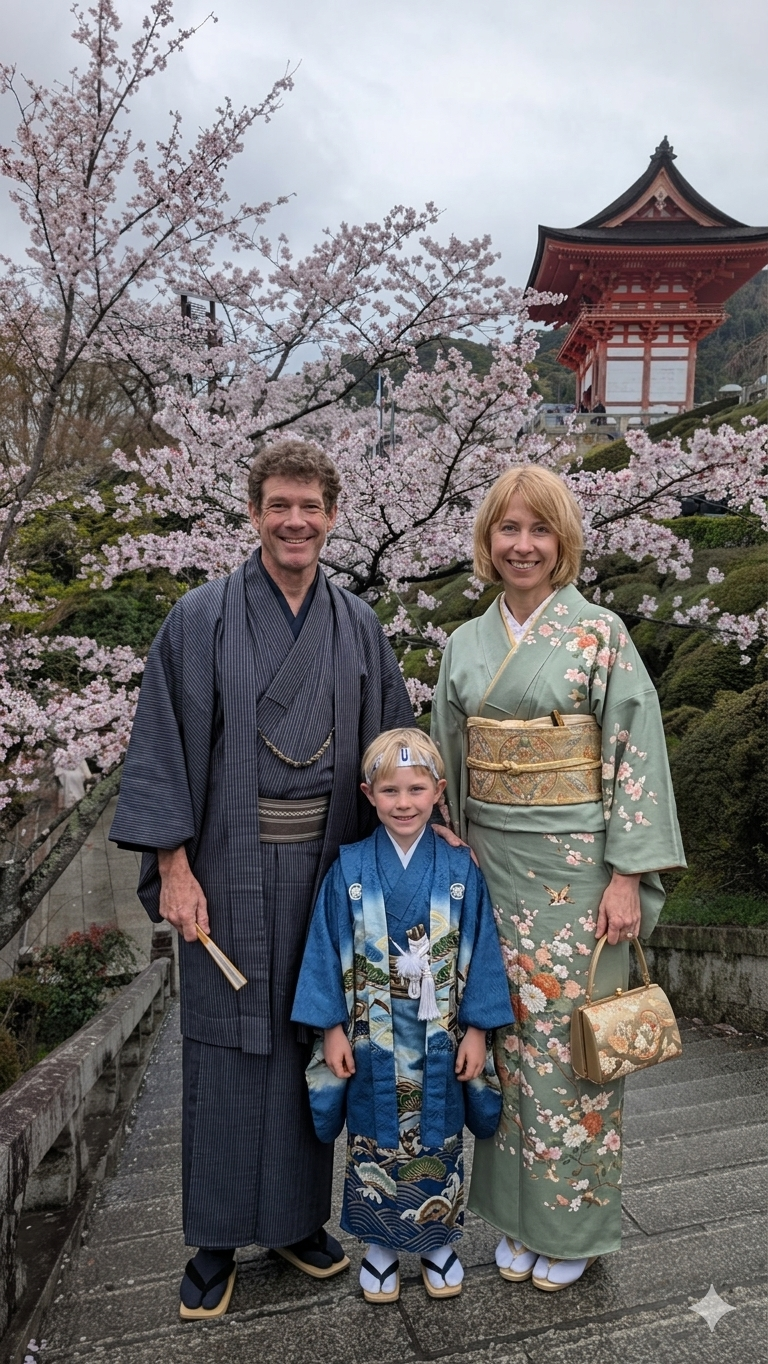
We’d seen the guided Japan tours: 8 days, $5,000 per person, herded between highlights on someone else’s schedule. We wanted something different — a trip shaped around our family. We opted for an itinerary beyond the “golden triangle” to get a better taste of real Japan, one that included all the major highlights but also picnics in the park under the blooming trees, a hike to the waterfall through cedar groves, serene and uncrowded shrines, as well as meeting some local wildlife. We wanted to go at our own pace and stop to smell the sakura blooms.
So we planned it ourselves. Two weeks. Five cities. Bullet trains, a rental car, a ryokan with a traditional Japanese kaiseki dinner, an onsen stay, a visit to the snow monkey park, and a day at Universal Studios to celebrate our son’s 10th birthday.
This post contains affiliate links. If you book through them, we may earn a small commission at no extra cost to you.
The Route
Tokyo → Mt. Fuji → Kyoto → Kanazawa → Shibu Onsen → Tokyo
This loop worked beautifully. Every train ride was under two hours including one bus leg.
Tokyo: Hit the Ground Running
We opened with Meiji Shrine and Yoyogi Park — a deliberate slow start before throwing ourselves into Tokyo bustle. The forested path into Meiji feels like stepping out of the city entirely and the shrine itself is a magical place and window into Japan’s rich history.
From there we walked Takeshita Street for our first dose of Harajuku chaos — animal cafes (see below about our visit to the mini pig cafe), vintage clothing boutiques, and walls of gachapon machines dispensing capsule toys for a few hundred yen a pop (warning: bring a lot of 100-yen coins). We circled the viral Afuri Ramen for lunch, but the line was a 90 minute wait. Plan B turned out better: Oreryu Shio Ramen Harajuku, a tiny 12-seat counter a few blocks away where you order at an old-school vending machine and hand your ticket to the chef. One of the best bowls of the trip.
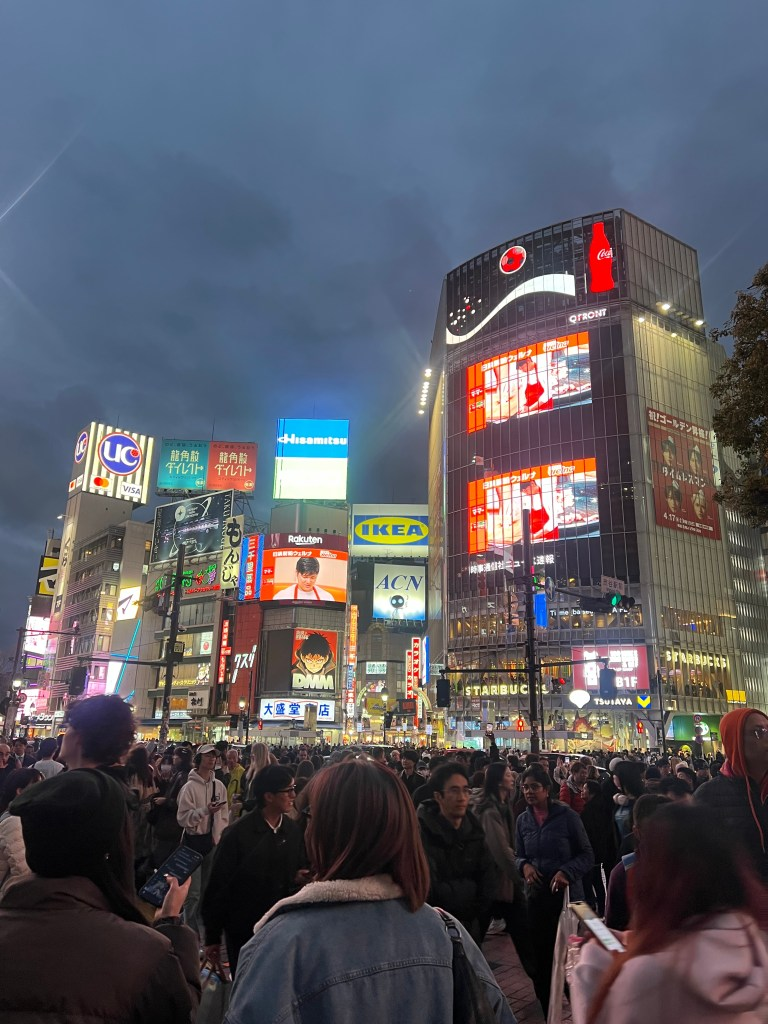
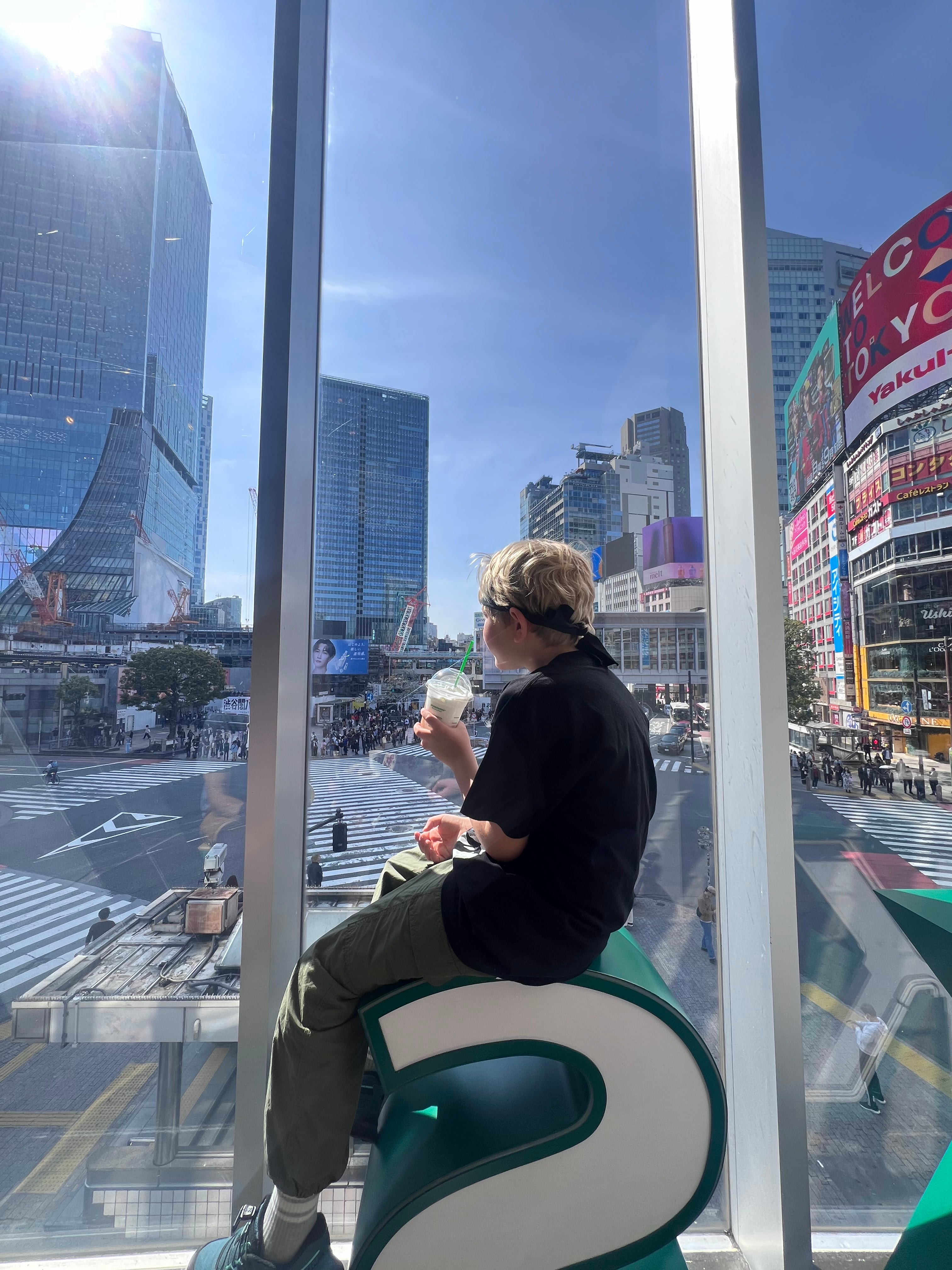
From there we continued on to Shibuya stopping at Tower records (paradise for music lovers) and few shops. We watched the famous mega flow of cars and people crossing the Shibuya Scramble from the Share Lounge above the Starbucks. Pay for entry, get unlimited drinks and snacks, and an unbeatable view of that famous wave of humanity.
After the big day we headed back to our hotel OMO5 Tokyo at Otsuka station located on the Yamanote Line.
Tip: Do Shibuya First
Your adrenaline is high when you land. Use it and opt to stay in the bustling Shibuya district when you arrive. The famous Shibuya Scramble , the views atop Shibuya Sky observation deck, Don Quijote’s seven floors of madness, Tower records, Shibuya PARCO shopping center, the neon buzz and all the bustle — it all hits different when you’re still wide-eyed from arrival. We saved fully experiencing Shibuya for the end of the trip, and while it was still great, we wished we’d stay here when we first arrived.
If you take that advice, solid Shibuya-area stays include Hotel Indigo Tokyo, Shibuya Excel Hotel Tokyu, Shibuya Tokyu REI Hotel, or MIMARU Tokyo. We circled back to Shibuya at the end of the trip and stayed at the Shibuya Tobu Hotel.
The Pig Cafe Was Fun, But…
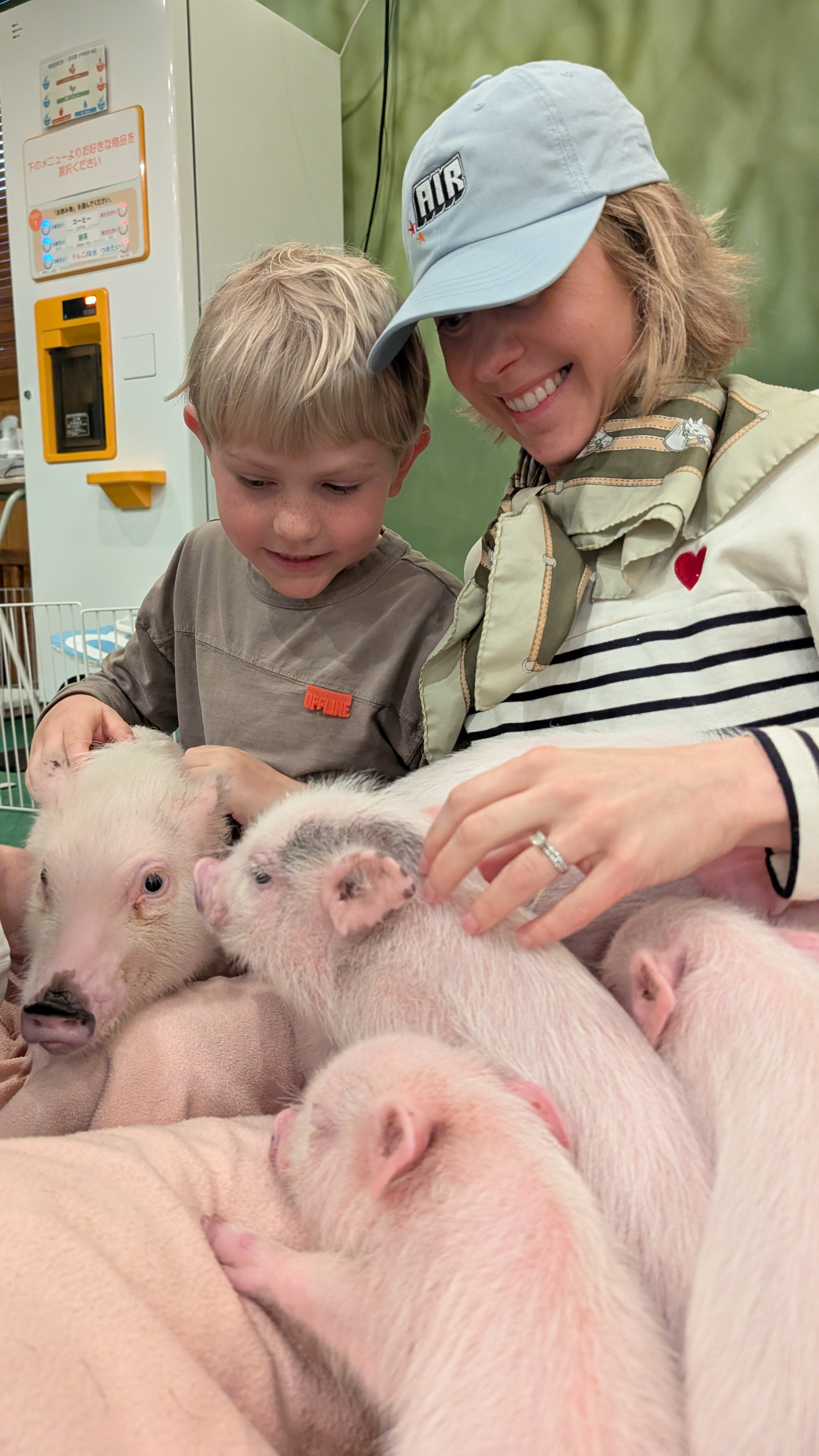
Animal cafes are “a thing” in Tokyo. We booked the mini pig cafe in Harajuku because we’re allergic to cats. The pigs were genuinely sweet, clean and even potty trained and our son loved it. But if your family can do cats, go for a cat cafe instead — they’re more interactive and cuddly. For other unique options you might want to try a Capybara, Otter, or Owl cafe.
Don’t Miss teamLab Planets
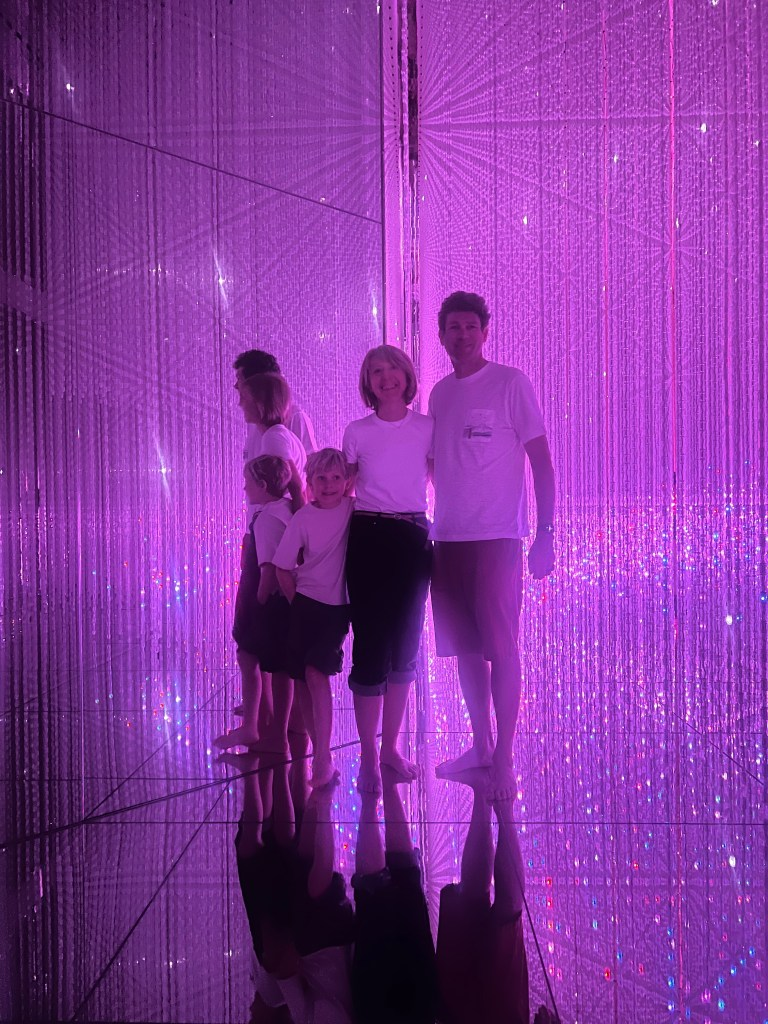
This was a top-3 moment of the trip. You wade barefoot through shallow water surrounded by digital art installations dipping into all your senses. The life orchid garden exhibit is stunning and will simply take your breath away. Book your tickets early — morning slots are less crowded and give you time to explore Toyosu Fish Market afterward and grab lunch at one of the many open market vendors across the street. There we each enjoyed a wide selection of street food and even a live Samurai show for desert.
Pro tip: Visit the famous Toyosu Market tuna auction early in the morning to witness one of the most iconic spectacles in Japan. Here massive bluefin tunas are bought and sold at a high-speed, high-stakes auction. Tickets are available via lottery on the market website.
Ueno Park & Akihabara
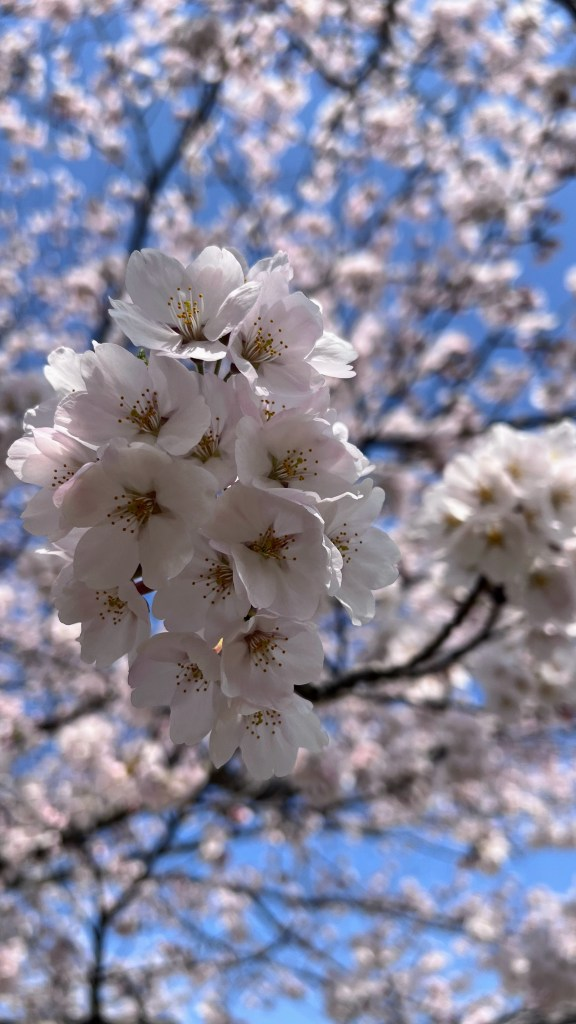
After teamLab we headed to Ueno Park for a picnic under the cherry blossoms enjoying some street bites, we felt like the locals. We spent the afternoon in Akihabara. If you have a kid who’s into gaming, anime or Pokemon this is the place to be. Retro Game Camp, arcades at GiGO and a massive Pokemon trading center are all here. Dizzy from the neon lights of Akihabara we were happy to head back to our hotel in the quieter residential area at Otsuka station.
Alternative plan: consider renting one of the iconic swan-shaped boats on the lake at Ueno park and enjoy a chiller afternoon instead of continuing on to Akihabara.
Mt. Fuji: Rent a Car, See Everything
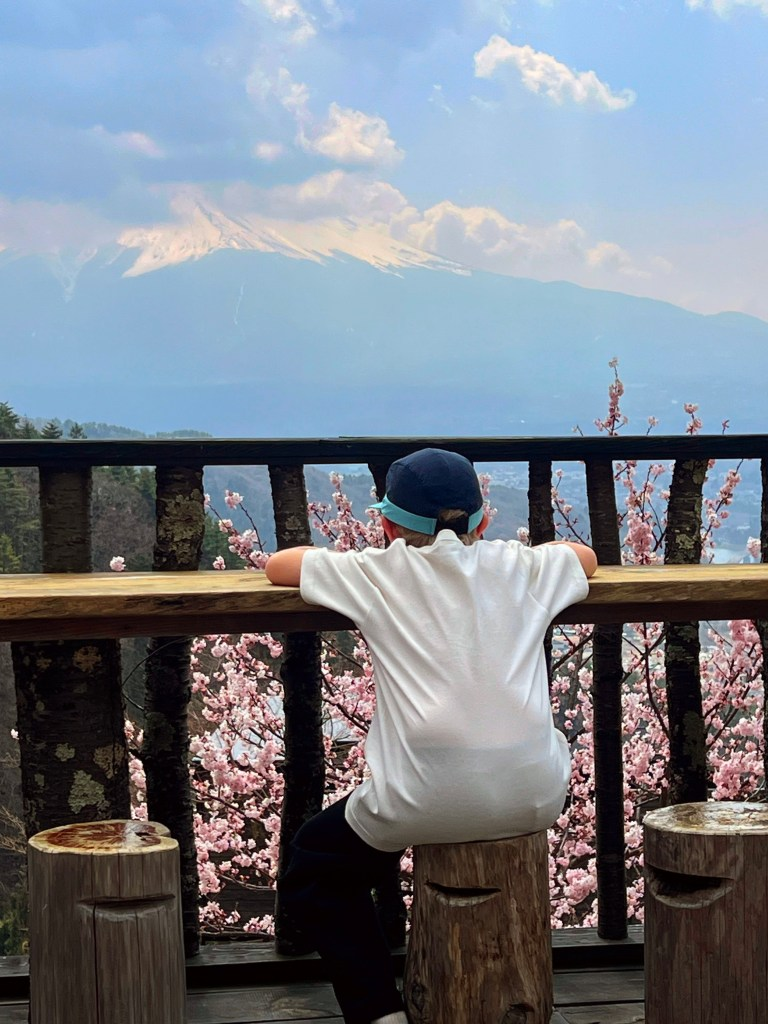
We rented a car for the Mt. Fuji leg and it was the right call. The lake district is spread out and public transit is slow and crowded. Two days with a car let us hit Chureito Pagoda before the bus crowds arrive, followed by a visit to the serene Kawaguchi Asama shrine located off the beaten path, where we hiked through cedar grove up to the Haha-no-Shirataki waterfall. It was a perfect reprieve that we all needed after several busy Tokyo days.
For lunch we queued up for the well known local lunch spot at Houtou Fudou. Here staff yell greetings to the patrons and hustle delivering piping hot pots filled with their famous (but secret) ramen recipe. Fun atmosphere, delicious food! We followed with a visit to the ice caves. After a long day on our feet we headed back to our ryokan for a soak in the onsen bath and a delicious traditional Japanese meal.
Rental tip: Book through Toyota Rent-a-Car. You’ll need an International Driving Permit (get it at AAA before your trip). The car came with English GPS, winter tires, and an ETC card for toll roads. Cost us about $170 for two days.
Ryokan Stay
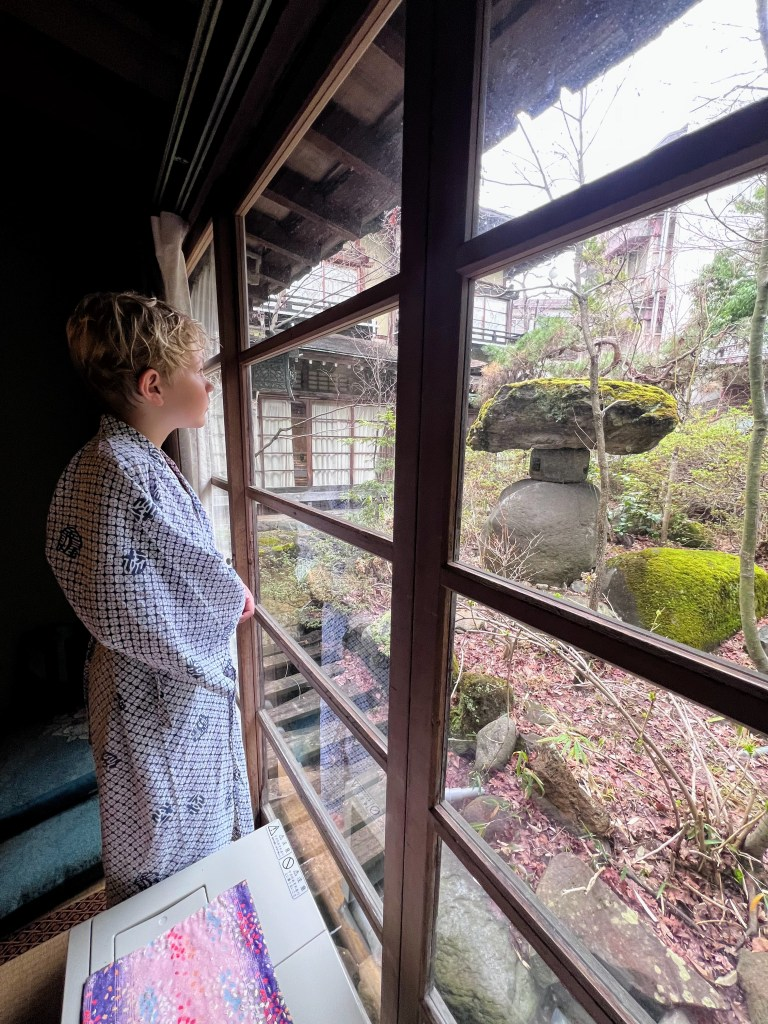
Plan to stay at a traditional Japanese ryokan at least once. Ryokans are inns built around a hot spring (onsen) where the rate includes a multi-course kaiseki dinner and breakfast — seasonal, locally-sourced, and plated like art. Rooms have tatami mat floors, futons rolled out at night, and yukata robes laid out for you. It is a must-do experience in Japan. For this leg we picked a lakeside ryokan-style onsen hotel on Lake Kawaguchiko – Lakeland Hotel Mizunosato, with Mt. Fuji views from the the private onsen bath.
Kyoto: Temples, Food, and the Best Day of the Trip
Fushimi Inari at Dawn
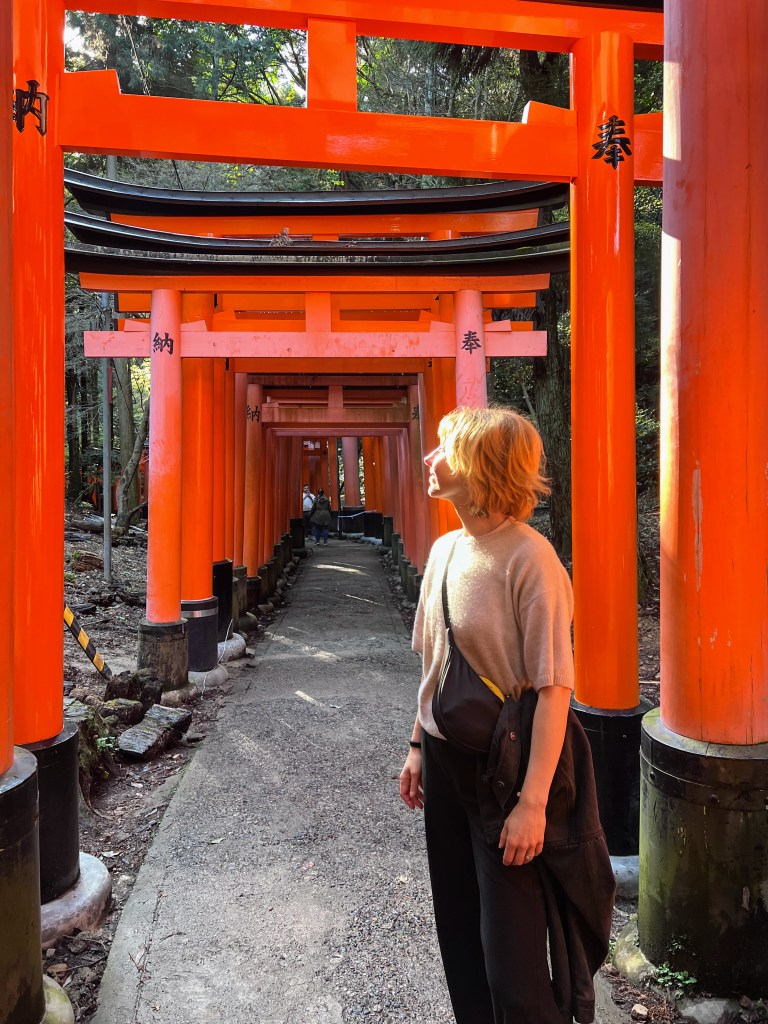
Get there by 7 AM. We cannot stress this enough. By 10 AM the famous torii gate tunnels are shoulder-to-shoulder tourists. At dawn, it’s just you and the mountain. The light filtering through thousands of vermillion gates is a magical sight. The hike to the top takes about 45-60 minutes and its well worth it. Get a special souvenir by purchasing a mini Torii gate at the shrine and having it personalized by a calligrapher with Hiragana symbols that mean family, love, good fortune, ect.
In the evening we strolled the park at Nijo Castle during the seasonal sakura light illumination show. Nijo-jo is a UNESCO World Heritage site, that transforms into a breathtaking spectacle of light, color and sound all inspired by the delicate beauty of sakura. While there, we were able to visit inside the palace and experience the famous squeaky “nightingale floors” that used to alert the residents of any potential visitors or intruders.
Luckly the Nijo Castle was walking distance to our hotel and we were in bed and fast asleep before we knew it. Here we stayed at the Wayfarer Hotel Kyoto in Shijo district. If Wayfarer is booked, other Kyoto options worth a look are Kyoto Station Century Hotel, Cross Hotel Kyoto, Richmond Hotel Premier Kyoto Shijo, or MIMARU Kyoto.
Kiyomizu-dera temple, sloping streets of Sannenzaka, Maruyama Park, geisha Gion district
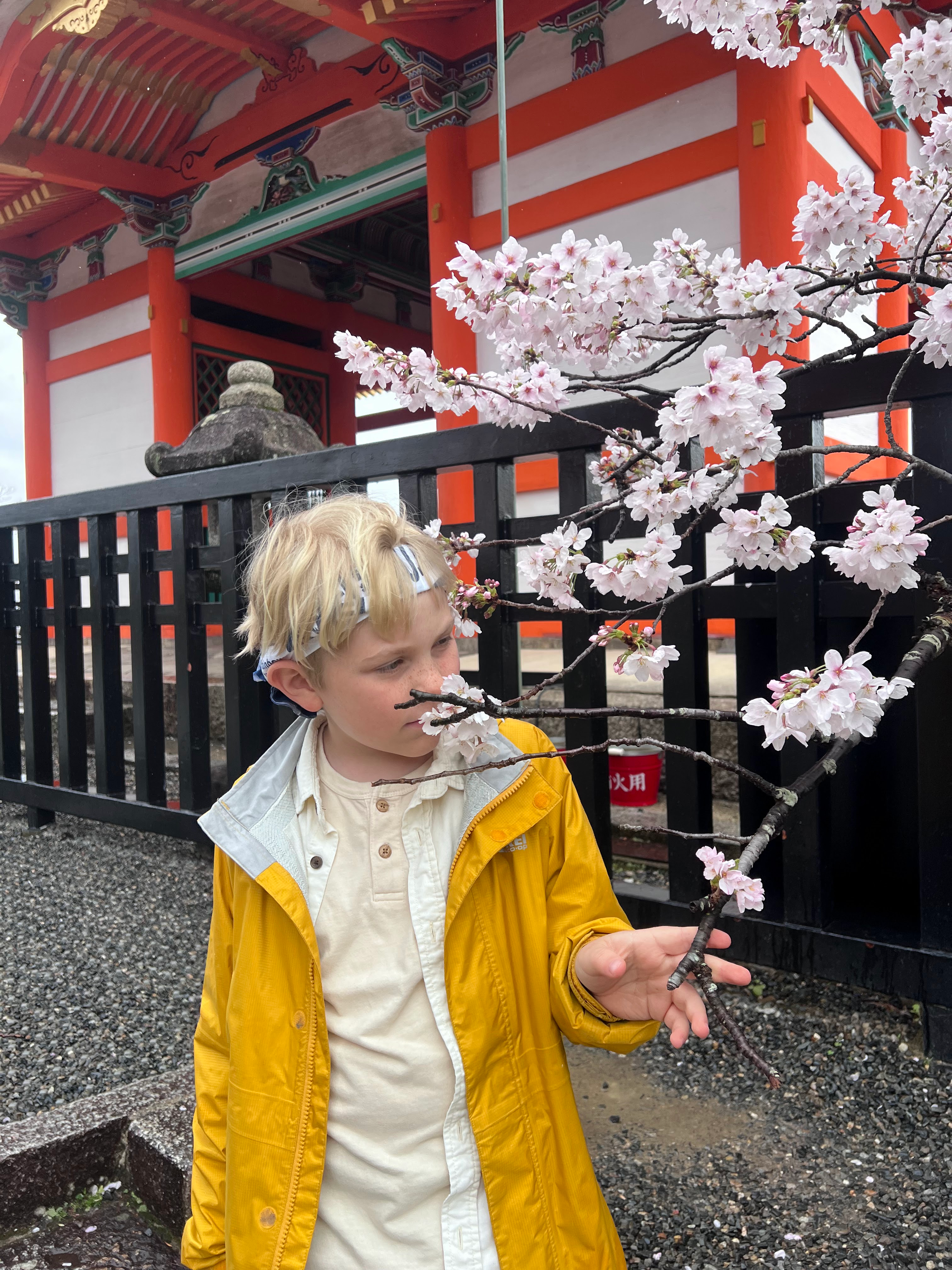
This day was one of our favorite of the trip and it flows nicely with the entire route being totally walkable.
Start the morning at Kiyomizu-dera, perched on a hillside above the city. Get there early — by 9 AM the wooden veranda is packed, but at opening it’s quiet and the views over Kyoto are stunning.
From the temple, wander down the sloping cobblestone streets of Sannenzaka and Ninenzaka. This is the Kyoto of postcards: wooden shopfronts, lantern-lit signage, kimono rental shops on every corner. Stop into the tea houses and try yatsuhashi, Kyoto’s signature mochi-like confection. Here we stumbled on a hole in the wall antique shop, where mom shopped for vintage kimonos and haoris, dad was digging through old scrolls and our kid scored some cheap Pokemon card packs. For lunch we tried mouth watering wagyu rice burger, a Japanese-inspired dish with toasted rice cakes as a bun sandwiching the most delicious wagyu beef patty.
Continue down to Maruyama Park, home to Kyoto’s oldest weeping cherry tree — a 200+ year old specimen lit up at night during sakura season. The park itself is a perfect picnic spot under the blossoms.
End the day in Gion, the historic geisha district. Walk Hanamikoji Street at dusk and you may glimpse a geiko hurrying to an evening engagement. We weren’t as lucky but if you are, be respectful — locals are tired of tourists treating them like a photo op.
Why We Skipped Nara
Most guides recommend a day trip to Nara as a must-do from Kyoto. We didn’t. The famous Nara deer photograph beautifully on Instagram, but in person they are dirty, aggressive, and have learned tourists carry food — they will headbutt, nip, and chase you down for a cracker. With the 9-year old in tow, it didn’t seem like the type of experience we wanted to deal with and we had a better wild life encounter planned for later in the trip (stay tuned…)
If you got an extra day, consider a food tour in Osaka instead — same direction as Nara, an even shorter train ride. Or do what we did and use the day for Universal Studios Japan (covered below).
The Extra Day in Kyoto We Wish We’d Had
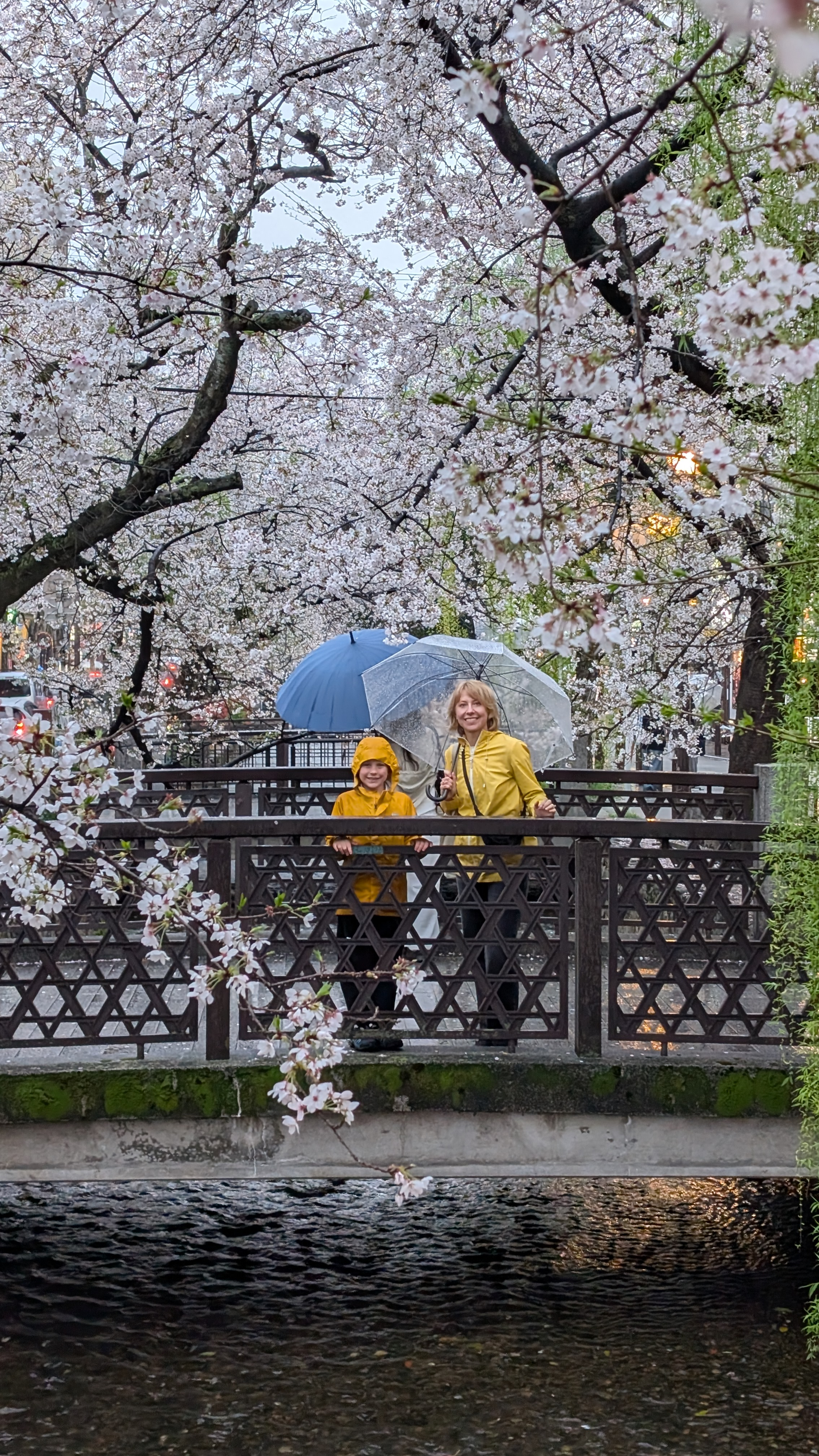
If you can spare an extra day in Kyoto, here’s how we’d spend it:
- Kinkaku-ji (Golden Pavilion) – the gold-leafed temple reflecting on a still pond is one of the most photographed images in Japan
- Arashiyama Bamboo Grove and its surrounding district (the iconic Togetsukyo Bridge and a stop at Tenryu-ji temple’s gardens.
- Philosopher’s Path at midday — a canal-side walk lined with cherry trees, connecting Ginkaku-ji (the silver pavilion) to the Nanzen-ji temple area.
- Nishiki Market for dinner — the 400-year-old “Kyoto’s Kitchen,” a covered five-block arcade of food stalls and specialty shops.
USJ: Worth the Day Trip
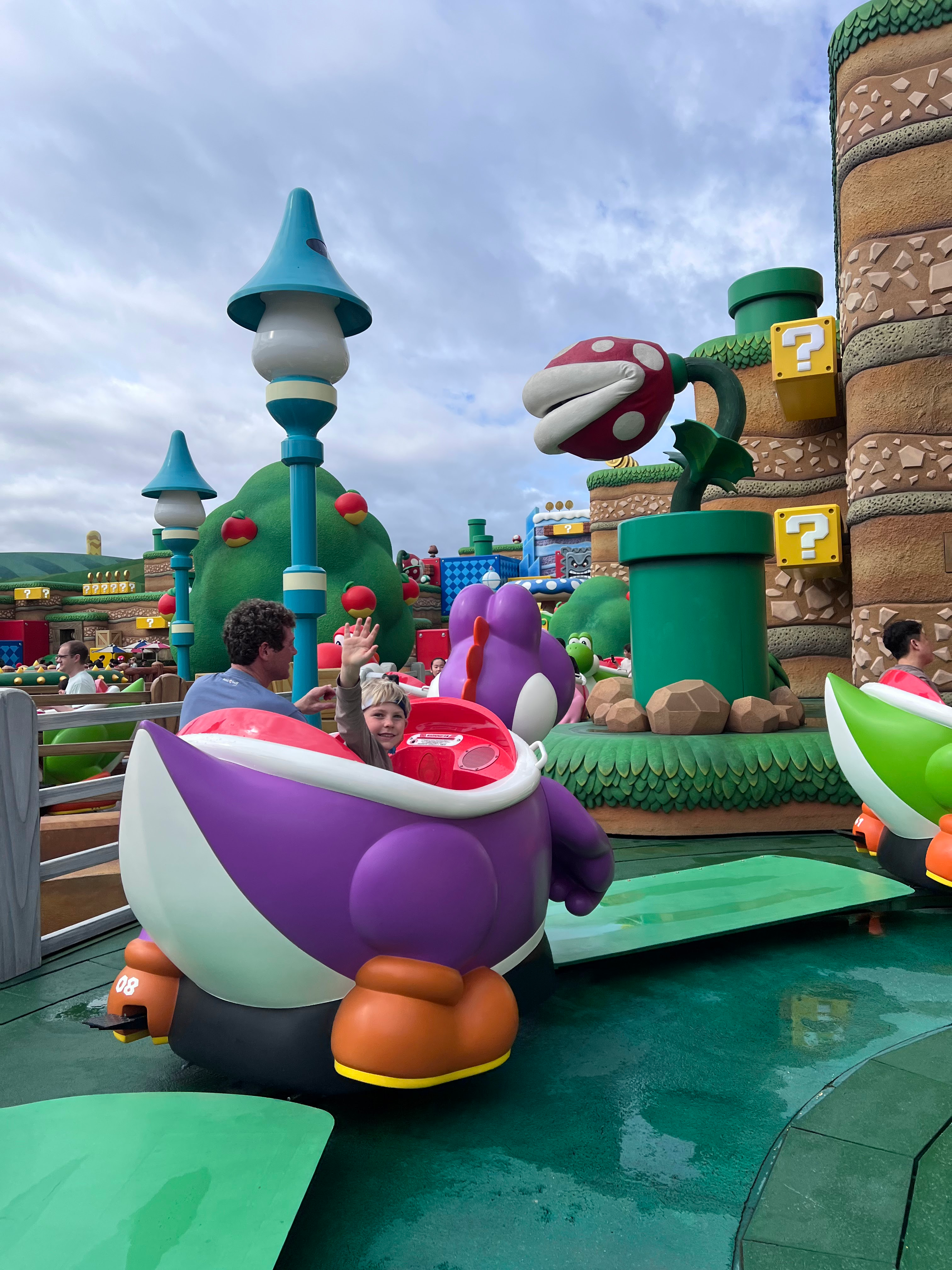
We spent one of our full days in Kyoto to make a day trip out to USJ in Osaka to celebrate our son’s big 10th birthday. Universal Studios Japan is about 50 minutes by train from Kyoto. We bought Express Passes and they were 100% worth the splurge — Super Nintendo World without a 2-hour wait is a gift in itself. We also loved the Wizarding World of Harry Potter, which features a meticulously recreated Hogsmeade village and Hogswarts Castle. Download the USJ app beforehand and register your tickets.
Kanazawa: The Underrated Gem
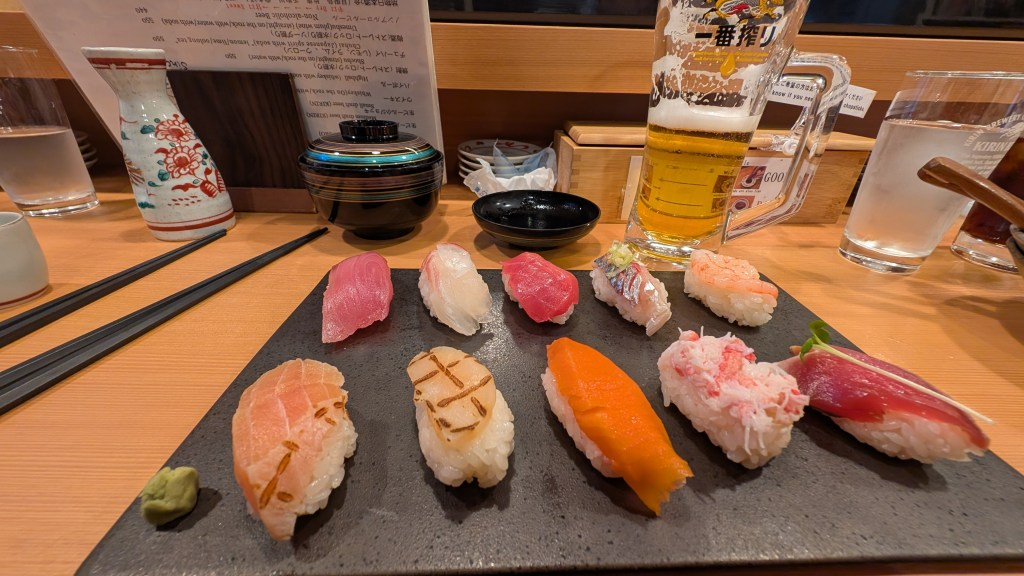
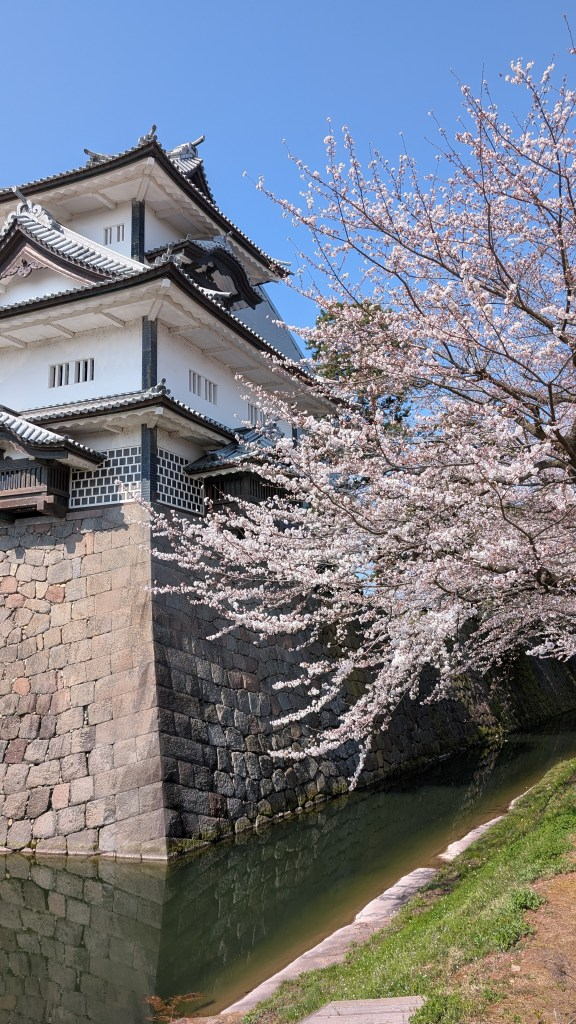
Most tourists skip Kanazawa. Don’t. Kenroku-en is one of Japan’s top three gardens and Kanazawa castle as well as the Samurai district are definitely worth the visit. The Omicho Market in Kanazawa rivals Nishiki and Toyosu markets for fresh seafood, and it’s far less crowded. The whole vibe of Kanazawa is a lot more relaxed and laid back, and the sushi is amazing here. For the freshest sushi at reasonable prices reserve at the tiny family owned sushi spot Kourin. We went with the “chefs choice” and were blown away by the beautiful spread of sashimi that included some regional specialties.
The Higashi Chaya geisha district is beautiful for an evening stroll, and the 21st Century Museum of Contemporary Art has a free permanent exhibit that kids actually enjoy.
For lodging we picked Hotel Resol Kanazawa. Other Kanazawa options worth considering are The Square Hotel Kanazawa, Tokyu Stay Kanazawa, or Minn Kanazawa.
Shibu Onsen: The Night You’ll Never Forget
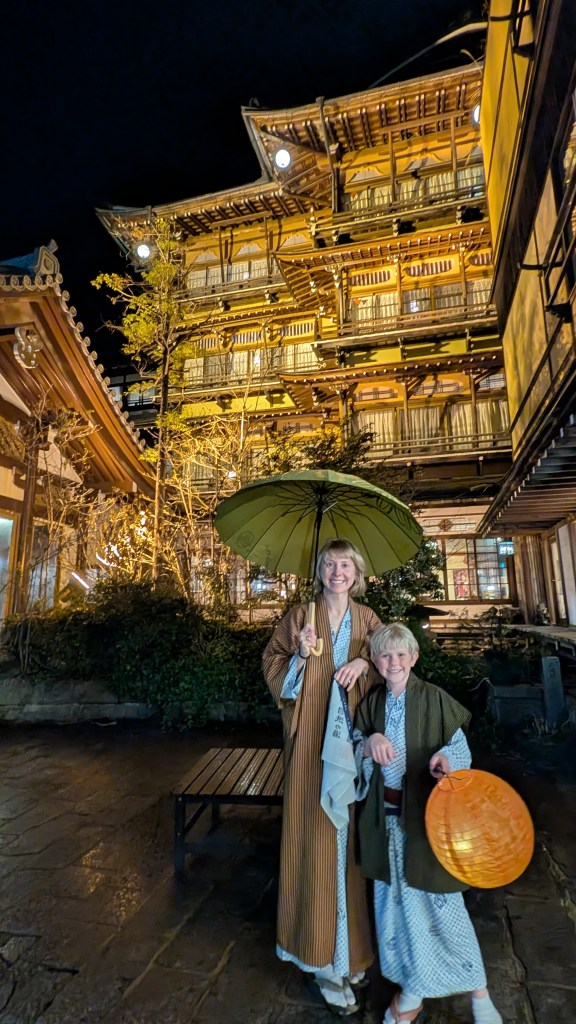
This was the emotional peak of the trip. Shibu Onsen is a tiny hot spring village in the mountains of Nagano. Our ryokan, Kanaguya, is a historic 250 year old inn with deep history and thoughtfully decorated rooms. It was a primary inspiration for the bathhouse in studio Ghibi’s Spirited away. Following the multi-course kaiseki dinner, and wearing our yukatas and wooden geta sandals we walked the cobblestone streets with a paper lantern in hand, stamping our way through the nine public bathhouses. In addition, Kanaguya ryokan has its own 8 onsens, some divided by gender and a handful of private onsens.
Read the full review about our stay at Kanaguya ryokan here. If Kanaguya is booked, Kokuya Ryokan is another option in the village.
Snow Monkeys
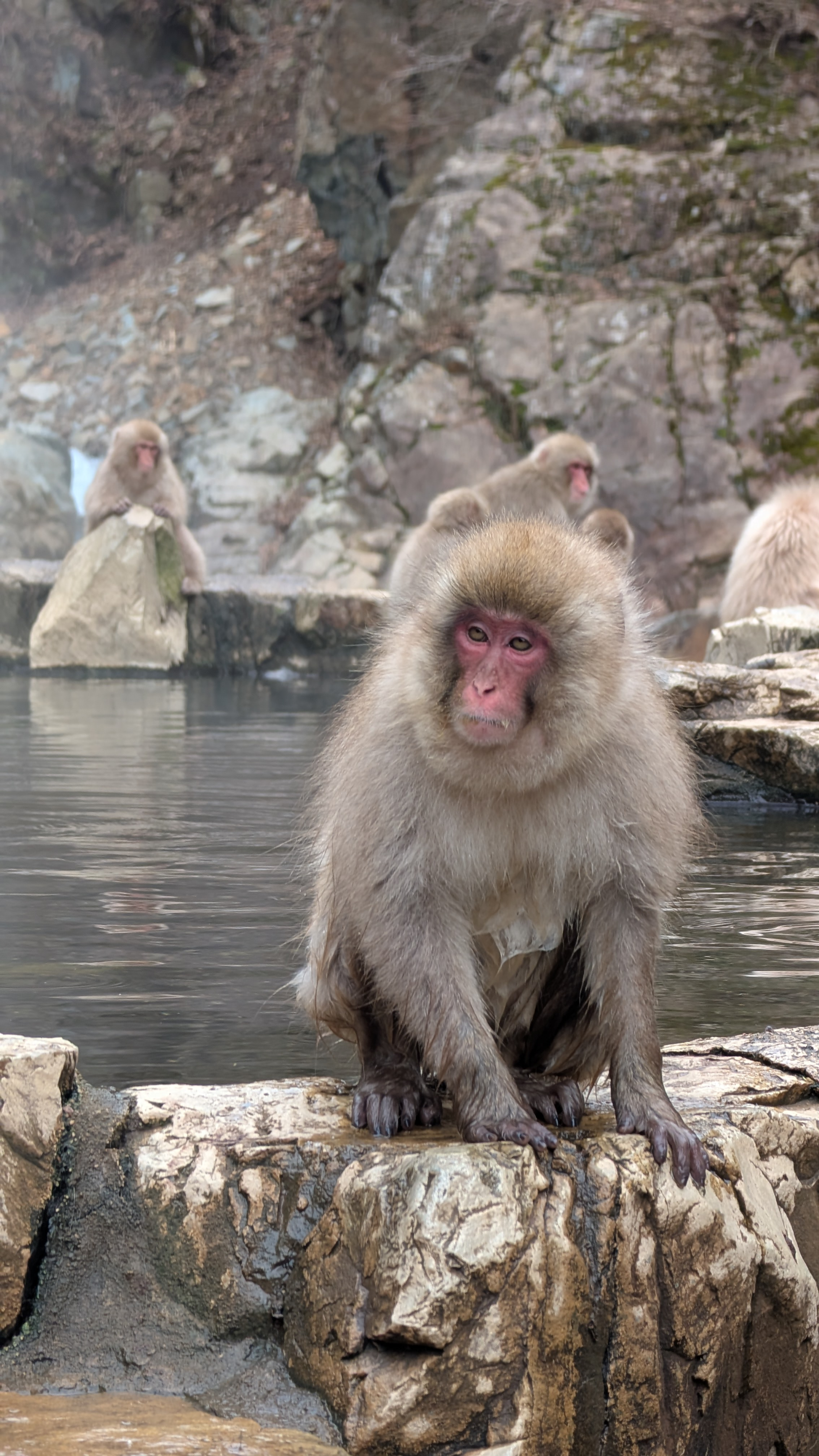
Before our check in we visited Jigokudani Snow Monkey Park — a short bus ride from the onsen village and a 30-minute forest trail walk to see the wild macaques bathing in natural hot springs. Our favorite was watching the babies play and chase one another right under our feet.
Back to Tokyo: Birthday & Final Days
Sushi Making Class

We also took a sushi-making class near Asakusa and it was a hit with the whole family. Sushi Making Tokyo did a great job with making the class fun and engaging and we walked away feeling like sushi chefs! Great activity for families — book through Klook.
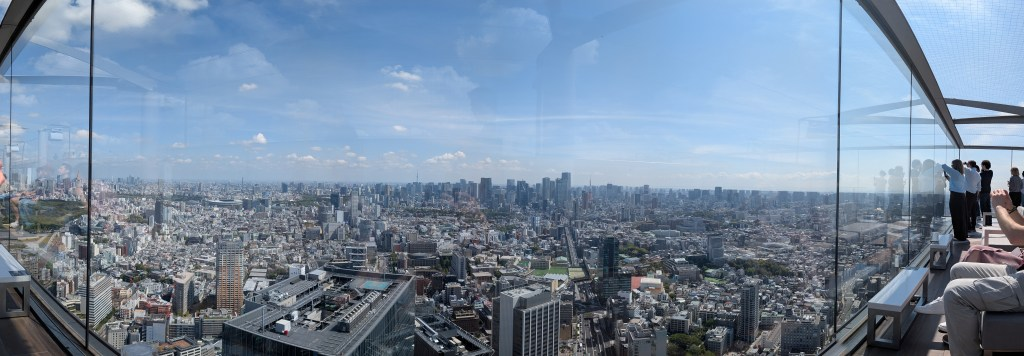
For our last full day in Tokyo we visited Shibuya Sky observation deck to take in the full view of the city. This 750ft high open-air observation space offers a 360 panoramic view of Tokyo and on a clear day you can even see Mt Fuji. We would recommend visiting here in the evening instead to enjoy the city skyline lit up with neon lights while sipping a drink at one of the high lounges. Reserve your tickets in advance, they sell out quickly especially for sunset time slots.
Birthday Shenanigans in Tokyo
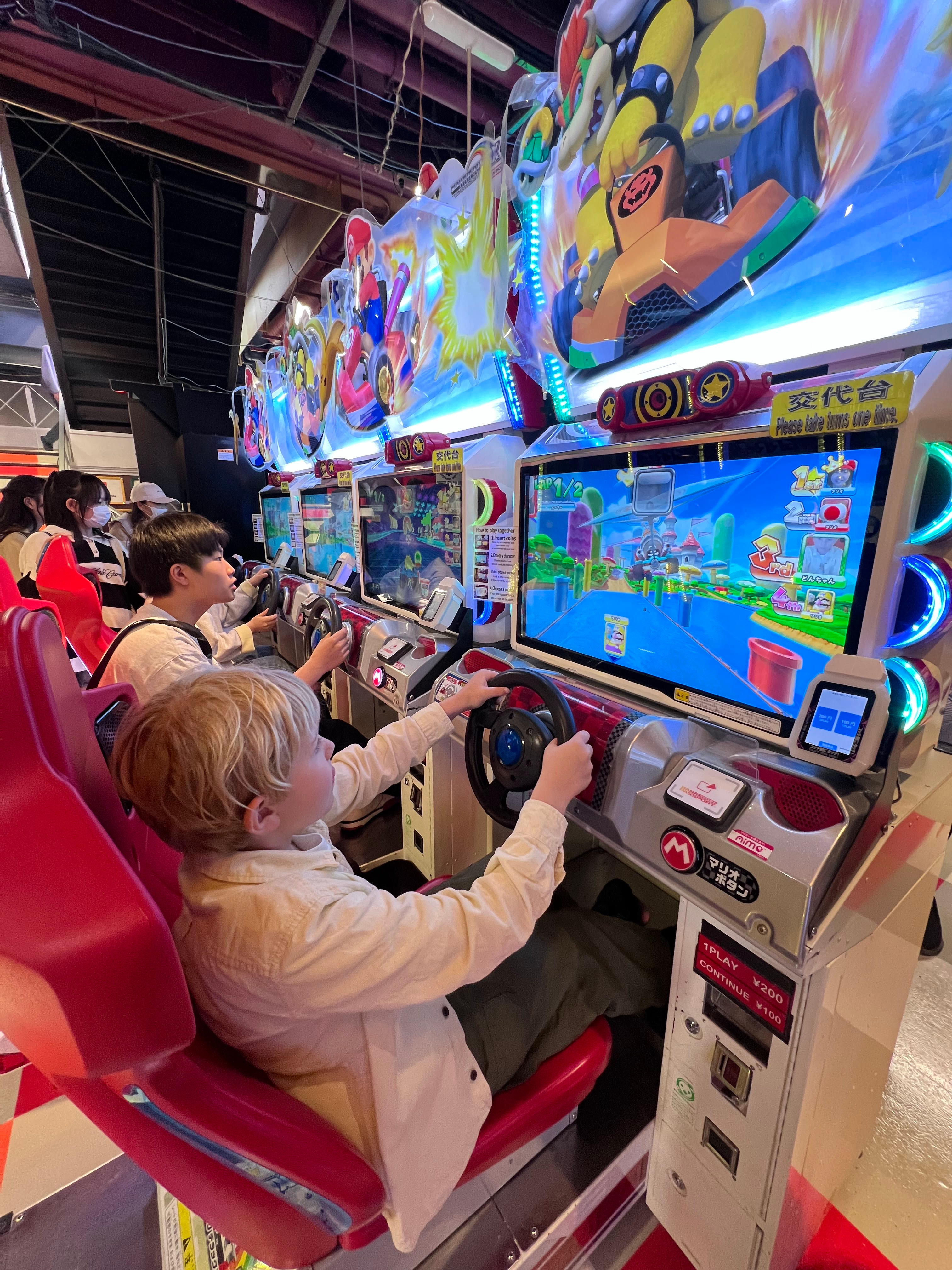
Our son turned 10 during our trip and we spent his birthday day shopping at Nintendo Tokyo and Pokémon Center in Shibuya PARCO, followed by arcades and claw machines at the Taito Station. For dinner we went with one of the viral ramens called Ichiban Ramen. (several central locations). We had plans to sing our hearts out at the nearby Rainbow Karaoke but we overestimated our stamina for the day and opted out for cake and extra sleep instead. Our son said it was “the best birthday ever!” Mission accomplished.
Practical Tips: What We Learned
Trains Are Easier Than You Think
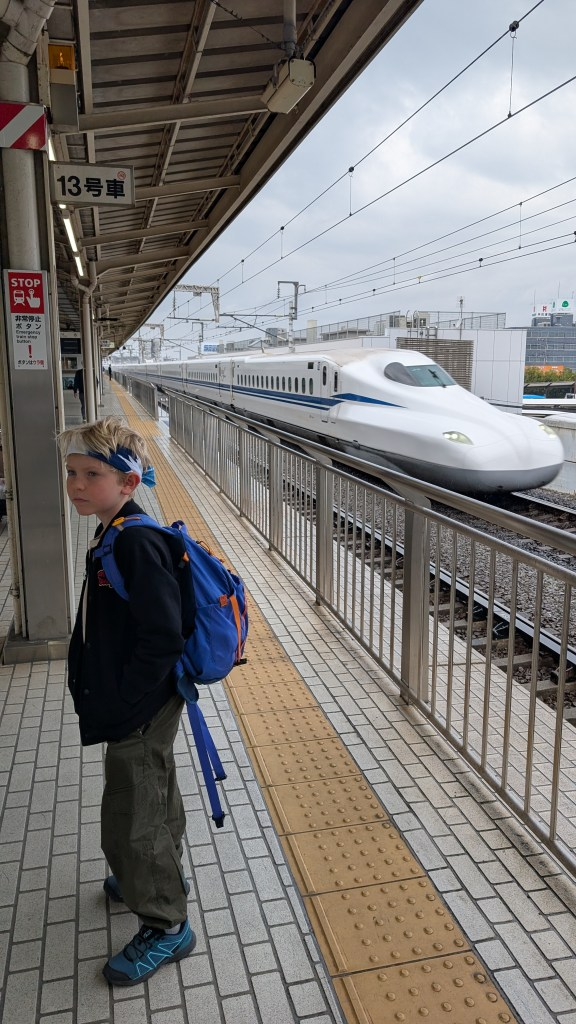
The Japanese train system looks intimidating on paper. Different companies, different apps, reserved vs. unreserved seats, shinkansen vs. local lines. But here’s the truth: Google Maps handles almost all of it. Plug in your origin and destination, and it tells you exactly which train, which platform, and what time. Travel times were accurate to the minute, every single time.
We used a mix of individual tickets instead of the JR Pass (which has gotten expensive) and saved money. Smart EX for shinkansen, Klook for some routes, and bought the rest at station machines.
The DIY Toolkit
Here’s exactly what we used to plan and book everything:
- Hotels: Booking.com, Expedia and Agoda (ryokan)
- Shinkansen: Smart EX app (Tokaido line) and Klook (Hokuriku line)
- Activities: Klook and direct booking (teamLab via DMM)
- Car rental: Toyota Rent-a-Car
- Navigation: Google Maps (offline maps downloaded for each city)
- Translation: Google Translate with offline Japanese
- Train schedules: Jorudan app
- Restaurant finding: Tabelog
The Bottom Line
You don’t need a tour guide to do Japan with kids. You need Google Maps, a few booking apps, and the willingness to figure things out as you go. The trains run on time. The people are incredibly kind. The food is extraordinary at every price point. And the cherry blossoms — if you time it right — will stop you in your tracks every single day.
Build your own trip. Make it weird. Make it yours.
Where to Stay: All Our Hotel Picks
Every hotel mentioned in this post, in one place — the ones we stayed at and the alternatives we’d recommend if your first choice is booked.
- Tokyo: OMO5 Tokyo Otsuka (we stayed here), Shibuya Tobu Hotel (we stayed here), Hotel Indigo Tokyo Shibuya, Shibuya Excel Hotel Tokyu, Shibuya Tokyu REI Hotel, MIMARU Tokyo Shinjuku West
- Mt. Fuji / Lake Kawaguchiko: Lakeland Hotel Mizunosato (we stayed here)
- Kyoto: WAYFARER Kyoto Shijo (we stayed here), Kyoto Century Hotel, Cross Hotel Kyoto, Richmond Hotel Premier Kyoto Shijo, MIMARU Kyoto Station
- Kanazawa: Hotel Resol Trinity Kanazawa (we stayed here), The Square Hotel Kanazawa, Tokyu Stay Kanazawa, Minn Kanazawa
- Shibu Onsen: Kanaguya (we stayed here), Shibu Onsen Kokuya
Budget notes — the cheapest eating, the priciest packing
Every trip gets a spreadsheet, and Japan’s turned two of our assumptions over. Here’s the shape of it — the numbers themselves are at the foot of the post.
The flights carry an asterisk, the same one our Germany trip carries. Most of this one flew on miles: one paid ticket and two award seats where we covered the taxes and not much else. Count the miles at face value and Japan climbs a long way up the table.
Lodging was the biggest line by a distance, and four-fifths of it was paid before we left home. Ryokan and city hotels in cherry-blossom season sell out early and price like it. This is the one part of a Japan itinerary you cannot improvise.
Food was the bargain of the entire series, and it isn’t close. We ate out essentially every meal — konbini breakfasts, standing noodle counters, one proper multi-course night — and still spent less per person per day than on any other trip we’ve taken. Less than Iceland, where we cooked in the flat specifically to save money.
Rail did the job a rental car does everywhere else. A pass bought ahead, top-ups as we went, and across five regions we paid for one small rental for the Fuji leg, one taxi and a single tank of fuel. In Croatia and Iceland the car is a top-three line; here it barely registers.
The sights are close to free. Temples, gardens, the snow monkeys at Jigokudani — the entire activities line came in around what a single day of mountain lifts costs in the Alps.
And then souvenirs, which quietly became the largest of any trip we’ve taken — past the Christmas-shop damage in Rothenburg, past a whole month in the Alps. Kitchen knives, Kanazawa ceramics, and the extra bag we did not fly out with. Budget for it honestly.
Have questions about planning your own Japan family trip? Drop them in the comments below.


